SHARE
RECENT

When Did Having a Phone Become a Necessity?
“But my friend already has a phone.” For a lot of kids, that might be one of the first arguments they make when asking their parents for their own phone. And honestly, it can be…

Are You Choosing Your Feed, or Is It Choosing You?
Today, the people you spend the most time with aren't always sitting in your living room or standing on the court with you. Some of them live inside the glass screen in your pocket. And…

Meta’s AI Image Tool Sparks Debate Over Online Privacy
What teens and parents need to know about AI, digital footprints, and protecting personal images Recently, Meta introduced a new AI image feature called Muse Image, which allowed users to create AI-generated images using photos from public…

A Teen’s Death Raises Questions About the Social Media Rabbit Hole
A British Columbia mother is calling for greater protections for children online after the death of her 13-year-old daughter, raising concerns about the role social media algorithms may play in exposing young users to harmful content. Chelsey…

Your Child is Using AI, Now What?
What Parents and Youth Need to Know About Using Artificial Intelligence Safely Artificial intelligence (AI) has quickly become part of everyday life. Young people are using AI tools for school projects, brainstorming ideas, learning new…
HEALTHY LIVING & WELL BEING. EATING DISORDERS, I NEED HELP: TEEN SUICIDE PREVENTION, MENTAL HEALTH
1 in 2 Men Are at Risk. Are you?
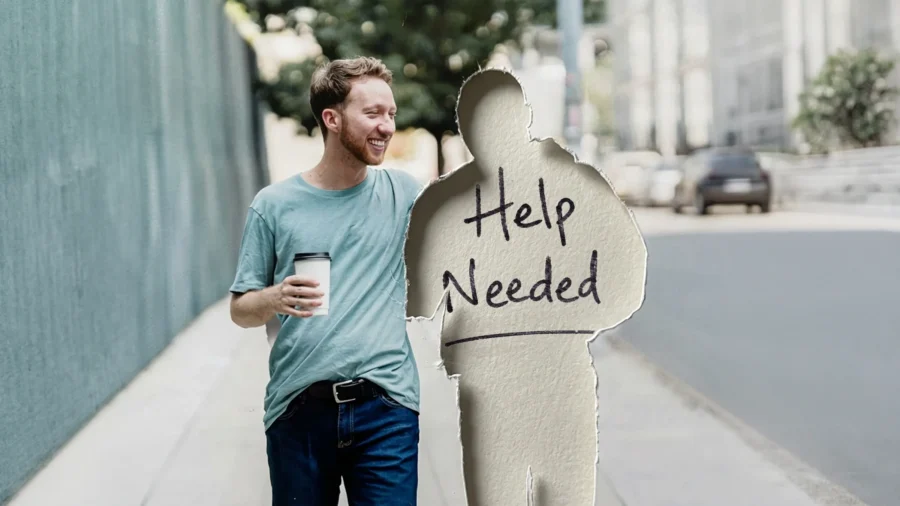
More than six out of every ten Canadian men aged 19–29 are at risk of social isolation, the highest of any age group surveyed in the Canadian Men’s Health Foundation’s 2025 research.
And social isolation isn’t just about having no one around. You can have classmates, teammates, coworkers, family members, friends or hundreds of followers online and still feel like no one really sees you.
The effects can reach far beyond loneliness. The Canadian Men’s Health Foundation found that 64% of Canadian men reported moderate-to-high stress, while almost one in four were at risk of moderate-to-severe depression. Two out of every three had not sought professional mental health support.
“Men’s mental health is declining at an alarming rate, and too many, especially younger men, are facing these struggles on their own,” says Kenton Boston, President and CEO of the Canadian Men’s Health Foundation.
There is also a serious connection between men’s mental health and suicide. The Mental Health Commission of Canada reports that three out of every four suicide deaths in Canada are men. For males aged 15–39, suicide is the second leading cause of death after accidental death.
So why are so many men, especially young men, struggling to stay connected?
When friendships start to fade
For many young people, friendships happen naturally.
You see the same people at school every day. You practice with the same teammates. You hang out after class or meet up on weekends.
Then life changes.
You graduate. A friend moves away for school. Someone starts a new job. Another friend gets into a relationship. Your schedules stop lining up.
Suddenly, maintaining a friendship takes effort.
The Canadian Men’s Health Foundation notes that young men today are dealing with challenges that can make connection harder, including economic uncertainty, concerns about the future of work, social media and a lack of in-person friendships and real-world support.
And sometimes, neither person wants to make the first move.
“If they wanted to hear from me, they’d call.”
You might think your friend is too busy. They might think you don’t want to hear from them.
So nobody reaches out.
And the longer that silence continues, the harder it can feel to break.
Being surrounded by people doesn’t always mean feeling connected
Social media has made staying in touch easier than ever.
You can send a message in seconds. You can see what your friends are doing without actually talking to them. You can like a post, reply to a story or send each other TikTok videos instead of making plans.
These things can help us stay connected, but they aren’t always a replacement for meaningful relationships.
There’s a difference between being updated on someone’s life and actually being part of it.
For young men who already feel isolated, spending more time online can sometimes make that feeling more noticeable. When digital interactions replace real-world connection, having hundreds of online contacts doesn’t necessarily mean having someone you can turn to when things get difficult.
Why does connection matter?
Having people you trust can give you somewhere to turn when life becomes overwhelming.
A strong support network doesn’t mean having a huge group of friends. It can be one person you can call when you’re having a bad day. It can be a teammate who checks in on you. It can be a sibling, parent, teacher, coach or trusted adult who makes you feel heard.
“Having a strong support network is directly connected to our mental health,” says Dr. Rob Whitley, a men’s mental health researcher and professor of psychiatry at McGill University. “And those networks are eroding for many men.”
For young people, building those connections early can matter. Friendships and support systems can change many times throughout life, but learning how to maintain them, communicate openly and ask for help can make those transitions easier.
You don’t have to wait until you’re struggling
Reaching out doesn’t have to mean having a serious conversation about mental health.
It can start small.
Send the text you’ve been putting off.
Ask a friend to grab food after school.
Invite someone to join you for a workout or game.
Check in with someone who has been quieter than usual.
Join a club, team, volunteer group or community activity.
Or simply ask:
“How have you actually been?”
You don’t need to fix someone’s problems. Sometimes, knowing that someone cares can be enough to make a person feel less alone.
And if you’re the one struggling, you don’t have to wait until things become overwhelming before asking for support.
Asking for help isn’t a weakness
There can be pressure on guys to handle things on their own.
Maybe you’ve been told to “tough it out.” Maybe you don’t want to burden anyone. Maybe you aren’t sure what you’re feeling or don’t know how to explain it.
You don’t have to have the right words.
Talking to someone you trust can be a first step. So can speaking with a counsellor, therapist or another mental health professional.
The Canadian Men’s Health Foundation found that two out of every three Canadian men surveyed had not sought professional mental health support, showing how common it is for men to struggle without reaching out.
Professional support and personal connection don’t have to be an either-or choice. Sometimes you need a friend. Sometimes you need professional help. Sometimes you need both.
Be the person who reaches out
If you’ve ever wondered whether you should check in on someone, consider this your sign.
You don’t need to start with a big conversation about mental health. Sometimes, simply letting someone know they’re on your mind can make it easier to reconnect.
Behavioral researcher Vanessa Van Edwards has highlighted a few simple ways to reach out that don’t put someone on the spot.
“I was just thinking about you.”
Maybe you saw a video they’d love, heard a song that reminded you of them or passed a place you used to hang out.
“Hey, I was just thinking about you after I saw this. Hope your week is going well.”
“The last time we talked, you mentioned [X]…”
Following up on something someone told you shows that you actually listened. It could be a new job, a school project, a game they were nervous about or something they were looking forward to.
“Last time we talked, you mentioned that the work project was stressing you out. How did that end up going?”
“You’re always so [trait]…”
Pointing out something you genuinely appreciate about someone can also be meaningful.
“You’re always so level-headed under pressure. Just wanted to say I appreciate that about you.”
The point isn’t to find the perfect thing to say. It’s to give someone a reason to respond without making them feel like they have to explain everything they’re going through.
And you can always keep it even simpler:
“Hey, haven’t heard from you in a while. Want to hang out?”
Or:
“Want to grab food this week?”
A small effort can open the door to a bigger conversation.
You don’t need to fix someone’s problems. Sometimes, knowing that someone cares can be enough to make a person feel less alone.
This is also the idea behind MenTELL’s #BeTheFlare campaign, a peer-to-peer initiative encouraging men to share an honest message, name two people in their circle and pass the flare forward within 48 hours. The campaign is built around a simple idea: connection can start with one person choosing to reach out.
Because sometimes the person who needs someone to check in isn’t going to ask first.
You’re not alone
Feeling disconnected doesn’t mean something is wrong with you.
Friendships change. People move. Life gets busy. And sometimes, even when you’re surrounded by people, loneliness can still find its way in.
But the connection can be rebuilt.
Start with one person.
Send the message. Make the invitation. Join the group. Check in on your friend.
You never know what someone else might be carrying behind the scenes.
And if you’re struggling, you don’t have to carry it alone.
Resources
If you or someone you know is struggling, support is available.
Kids Help Phone: Young people in Canada ages 5–29 can call 1-800-668-6868 or text CONNECT to 686868 for free, confidential support from professional counsellors.
9-8-8 Suicide Crisis Helpline: Call or text 9-8-8 anywhere in Canada, 24/7, if you or someone you know is thinking about suicide or experiencing a crisis.
Canadian Men’s Health Foundation: The Canadian Men’s Health Foundation offers free mental wellness resources and tools through its #NeverAlone campaign.
You don’t have to wait for someone else to reach out first. Sometimes, connection starts with you.
NEWS FEED
LILLEY: Death drop after Ford defied safe-site activists
Ontario opioid deaths plunged 37.5% in 2025 after the province shifted from safe consumption sites to treatment and recovery.
Sexual assault charges; skate park arrest